
Getting your first mammogram can feel a little intimidating. You may have questions about how to prepare, what the exam will feel like, how long it will take, and what happens if something shows up on your images.
Knowing what to expect can make the experience feel much easier.
Mammograms are an important tool for detecting breast cancer early, sometimes a lump can be felt or symptoms appear. At Glencoe Regional Health, our imaging team is here to make the process as comfortable, straightforward, and easy to understand as possible.
Here’s what to know before, during, and after your mammogram.
What is a mammogram?
A mammogram is a low dose x-ray of breast tissue. A radiologist reviews the images to look for changes that may require further evaluation, including masses, tumors, and calcifications.
Calcifications are small deposits of calcium that appear as white spots on a mammogram. Most are benign, but certain patterns may require additional imaging or testing.
When previous mammograms are available, radiologists can also compare current images with prior images to look for any changes over time. That’s one reason keeping up with regular and recommended screenings are so important.
When should I get a mammogram?
Screening recommendations can vary depending on your age, personal history, and individual risk factors.
For women at average risk, screening mammograms typically begin around age 40. Women with higher risk factors—including a BRCA mutation, strong family history of breast cancer, prior chest radiation, or certain genetic syndromes—may need to begin screening earlier around age 30, or have additional screening.
“The best way to understand your personal risk is to talk with your primary care provider or gynecologist about a screening plan,” said Tonya Vandermillen, Director of Imaging Services at Glencoe Regional Health.
If you’ve been told you have dense breast tissue, you can also ask your healthcare providers whether additional imaging, or a 3D mammogram, may be appropriate for you.
How should I prepare for my mammogram?
A little preparation can help your appointment go smoothly.
Choose a convenient time
When scheduling your mammogram, choose a time that works well with your schedule. If you’re able to come in before work, during a lunch break, or later in the day, finding a convenient appointment can make it easier to stay on top of your screening.
If breast tenderness is a concern, some women find it more comfortable to schedule their mammogram when their breasts are less tender. If you have questions about the best timing for your appointment, talk with your healthcare provider or imaging team.
What should I wear?
A comfortable two-piece outfit is usually easiest. You’ll need to undress from the waist up and change into a gown for the exam.
What about deodorant or other products?
Before your mammogram, follow the preparation instructions provided by your imaging team. You may be asked to avoid wearing deodorant, antiperspirant, lotions, powders, or other products around the breast and underarm area because some ingredients can appear on mammogram images and potentially interfere with interpretation.
Have questions? Ask.
If you’re nervous or unsure about anything, don’t hesitate to tell your mammography technologist. Our team is here to explain the process and answer your questions.
Knowing what will happen can make the experience feel much less intimidating.
Educate yourself
Understanding the procedure and why it’s important is the first step. Knowledge is empowering, and it can help ease any anxiety you may have.
What happens during a mammogram?
When you arrive at Glencoe Regional Health, you’ll check in and a member of our imaging team will guide you through the process.
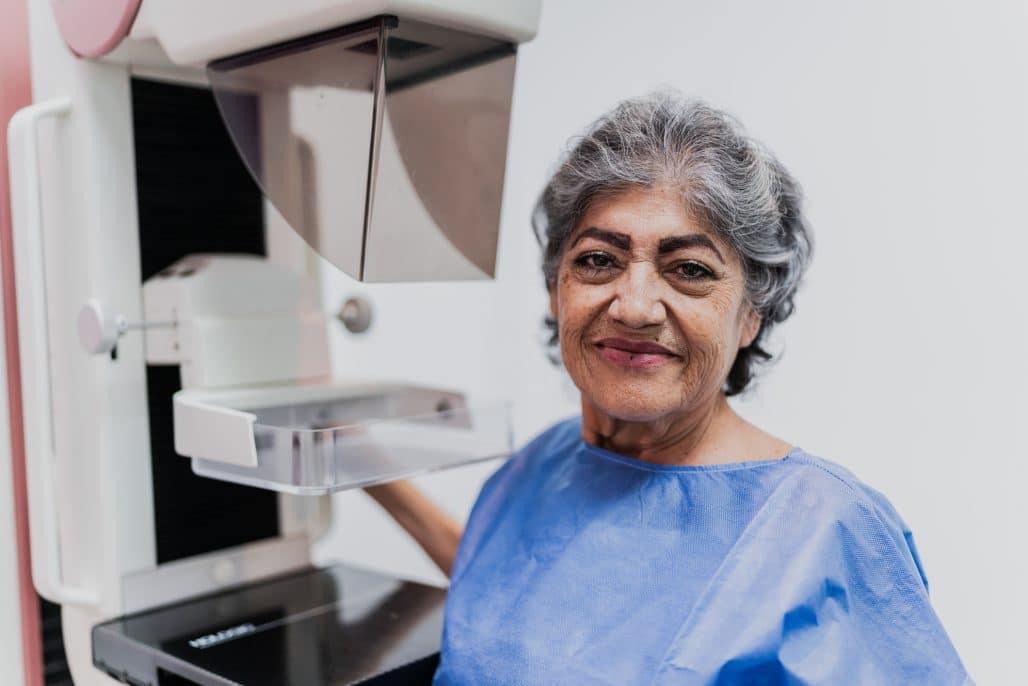
You’ll change into a gown and meet your mammography technologist, who will explain the exam and help position you on the mammography machine.
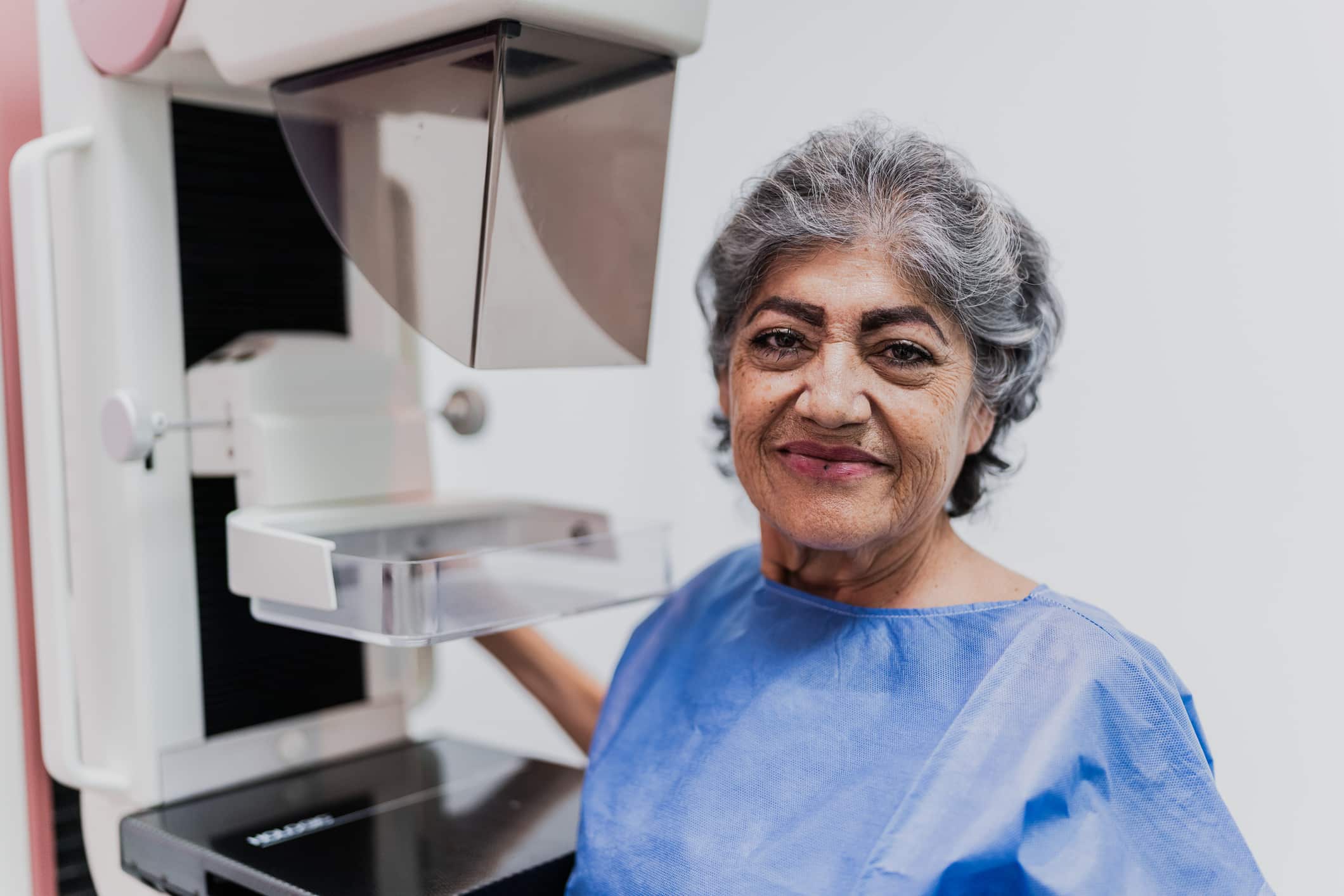
During the exam, one breast is placed on a support plate. A second plate gently compresses the breast while the machine takes an X-ray image. Compression helps spread out the breast tissue and allows the machine to capture clear images. It can cause pressure or temporary discomfort, but each image only takes a few seconds.
You’ll be asked to remain still while each image is taken. Multiple images from different angles are captured to proviude a compelte view of the breast tissue. The process is then repeated with the other breast.
The examn itself is typically quick, and most appointments take 30 minutes or less.
Once your images are complete, you’ll be able to get dressed and leave.
Will a mammogram hurt?
Everyone experiences mammograms differently. The compression can cause pressure or temporary discomfort, but it only lasts for a few seconds at a time.
If you’re worried about discomfort, let your technologist know. They can explain what they’re doing and help make the experience as comfortable as possible. For many women, knowing what to expect helps ease some of the anxiety surrounding the exam.
What happens after a mammogram?
After your mammogram, a radiologist reviews the images. Most mammograms results are normal. If an area needs a closer look, however, you may be contacted for additional imaging.
A callback does not automatically mean you have breast cancer.
Sometimes a screening mammogram simply shows an area that the radiologist wants to evaluate more closely. Additional testing may include a diagnostic mammogram or breast ultrasound.
“If a mammogram shows an area of concern, you may need a diagnostic mammogram or a core needle biopsy to evaluate the abnormal cells,” said Elizabeth Colsen, MD, FACS, General Surgeon at Glencoe Regional Health.
A biopsy can help your care team understand what is happening in the tissue and determine what comes next.
What if breast cancer is diagnosed?
If testing confirms breast cancer, your care team will use information about the cancer—including its type, characteristics, and stage—to develop an appropiate treatment plan.
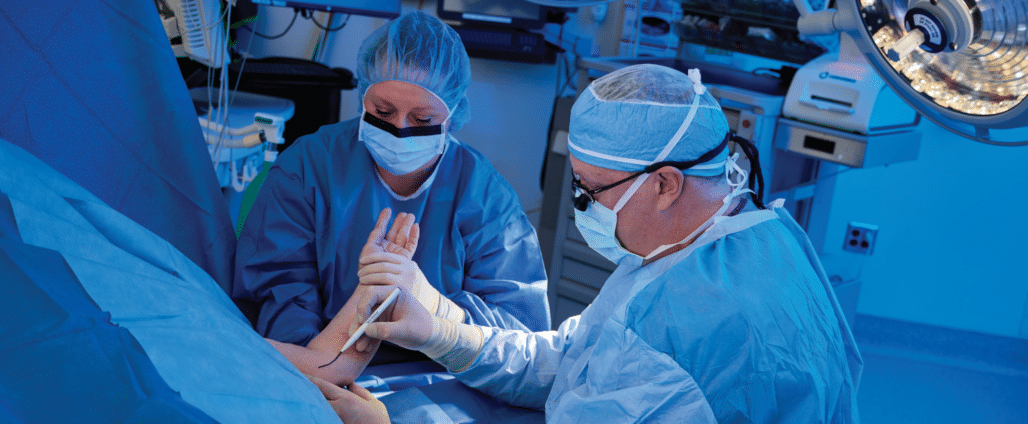
Depending on the diagnosis, treatment may include surgery, chemotherapy, radiation, hormone therapy, immunotherapy, or targeted therapies. For some patients, a lumpectomy may be an appropriate option. A lumpectomy removes the abnormal tissue while presering much of the breast.
At Glencoe Regional Health, patients can receive breast imaging and surgical are close to home. Lumpectomies can be performed locally when approrpriate, and our oncology team can help patieints navigate treatment following a diagnosis.
We provide lumpectomies right here in Glencoe, and our oncologist, Steven Rousey, MD, FACP, helps patients navigate treatment after a diagnosis, so they can receive high-quality care close to home,” said Dr. Colsen.
What signs should I talk to my doctor about?
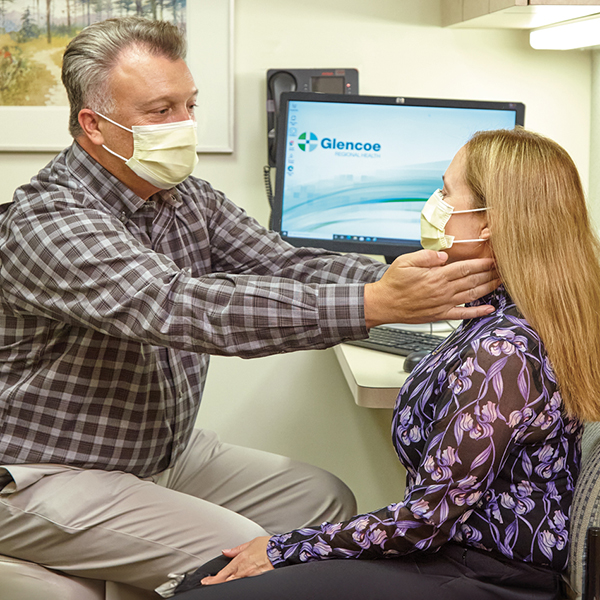
Mammograms are one of the most important tools for detecting breast cancer early, but it’s also important to pay attention to changes in your breast.
Talk with your healthcare provider if you notice a new or unusual change, including:
- New lump in the underarm (armpit) or breast area
- Thickening or swelling of part of the breast Irritation or dimpling of breast skin
- Redness or flaky skin in the nipple area or breast
- Any irregular nipple discharge other than breast milk, including blood
- Any unusual change in the size or shape of the breast
- Pain in any area of the breast
Not every change is a sign of cancer, but new or unusual changes should be evaluated by a healthcare professional.
What if I’ve been putting off my mammogram?
It’s completely understandable to feel nervous about getting a mammogram.
You may be worried about discomfort. You may be anxious about what the results could show. Or you may simply have a busy schedule and haven’t found the time.
But don’t let uncertainty keep you from taking an important step in your breast health.
Mammograms can help find breast cancer early—before symptoms start, before it can be felt, and before it spreads to other parts of the body. And if you’re called back for additional imaging, remember that a callback does not automatically mean you have cancer.
Our imaging team is here to answer your questions, explain what to expect, and help you understand what comes next.
You don’t have to navigate the process alone.
Making Time for Your Mammogram
We know finding time for a mammogram isn’t always easy. That’s why here at Glencoe Regional Health, we are making screening mroe convenient this October with Mammos by Moonlight.
Evening mammograms are available on select October dates for women who may have difficulty coming in during traditional daytime hours.
And as an added thank-you, patients who complete a mammogram during October will recieve a gift bag and be entered to win a Kindle Paperwhite.
“Put yourself on the calendar and make your health a priority,” Vandermillen said. “If finding time during the day has been a barrier, take advantage of our evening appointments. We’re here to make the process as easy and comfortable as possible, and you don’t have to navigate it alone.”
Ready to Schedule Your Mammogram?
If you’re due for a mammogram, make the appointment and put your health on the calendar.
To schedule your mammogram at Glencoe Regional Health, call 320-864-7816.
For more information about women’s health services at Glencoe Regional health, visit GlencoeHealth.org.